
Due to our intense focus on personalized training, we accept a limited number of neuro-motor patients at a time who are ready to unlock their potential.
wHO WE HELPDemonstration footage courtesy of Aretech LLC.
This illustrates technology we will offer at CoLift Clinics when it opens later in 2026.
Stroke
HOW COLIFT CLINICS CAN HELP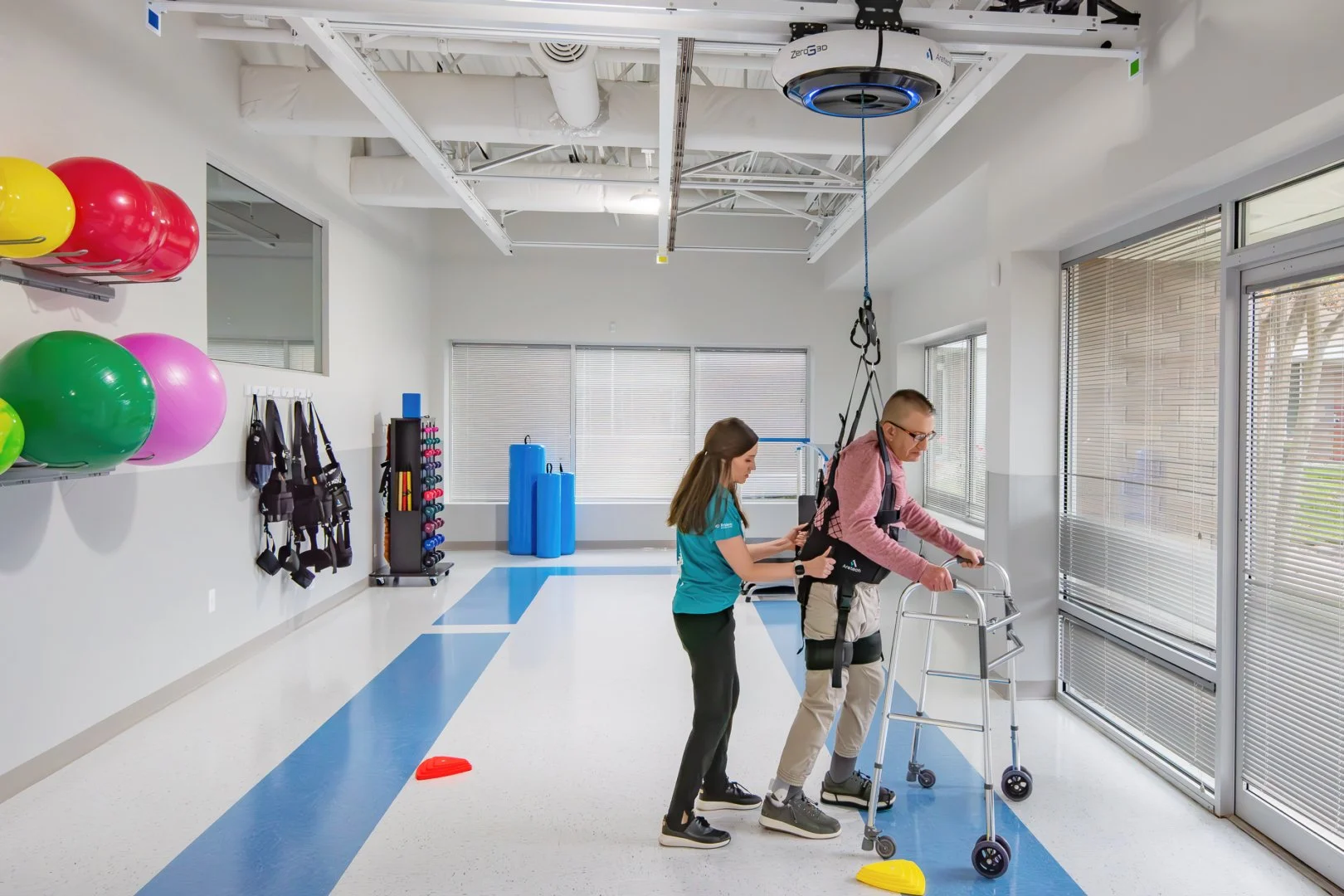
If you’ve had a stroke, some of your brain cells have died as a result of lack of blood flow due to blockage or bursting of arteries.
As a result, you are likely experiencing some of the common consequences such as,
Arm and/or leg weakness and loss of coordination on one or both sides of your body
Poor balance
Slow and/or unsafe walking
Speech difficulties
Loss of some vision
Our innovative approach to neurorehabilitation uses evidence-based, task specific activities, aided by use of cutting-edge technologies and highly skilled clinicians, to deliver high intensity training that will result in improved walking and balance, and more coordinated and skillful use of the arm and hand. Individuals with at least some movement control in the arm and legs will likely experience the best benefits from our approach.
After working in our clinic, you will be healthier and more independent with your ability to function in daily life and will have learned how you can maintain and continue to improve long after working with us.
Multiple Sclerosis
HOW COLIFT CLINICS CAN HELPIf you’ve been diagnosed with Multiple Sclerosis, your immune system has mistakenly attacked the protective myelin sheath covering nerve fibers in the brain, spinal cord, and optic nerves. People are affected differently with most individuals experiencing periods of new symptoms (relapses) followed by recovery (remission), while others have a more progressive decline. As a result, you are likely experiencing some of the common consequences such as:
Fatigue and weakness
Numbness or tingling in the face, body, or limbs
Vision problems, such as blurry vision or loss of sight in one eye
Balance, walking, and coordination troubles
Dizziness or vertigo
Our innovative approach to neurorehabilitation uses evidence-based, task specific activities, aided by use of cutting-edge technologies and highly skilled clinicians, to deliver high intensity training that will result in improved walking, balance, and more coordinated and skillful use of the arm and hand. Individuals with periodic relapses and remissions will likely experience the best benefits from our approach.
After working in our clinic, you will be healthier and more independent with your ability to function in daily life and will have learned how you can maintain and continue to improve long after working with us.
Parkinson’s Disease
HOW COLIFT CLINICS CAN HELP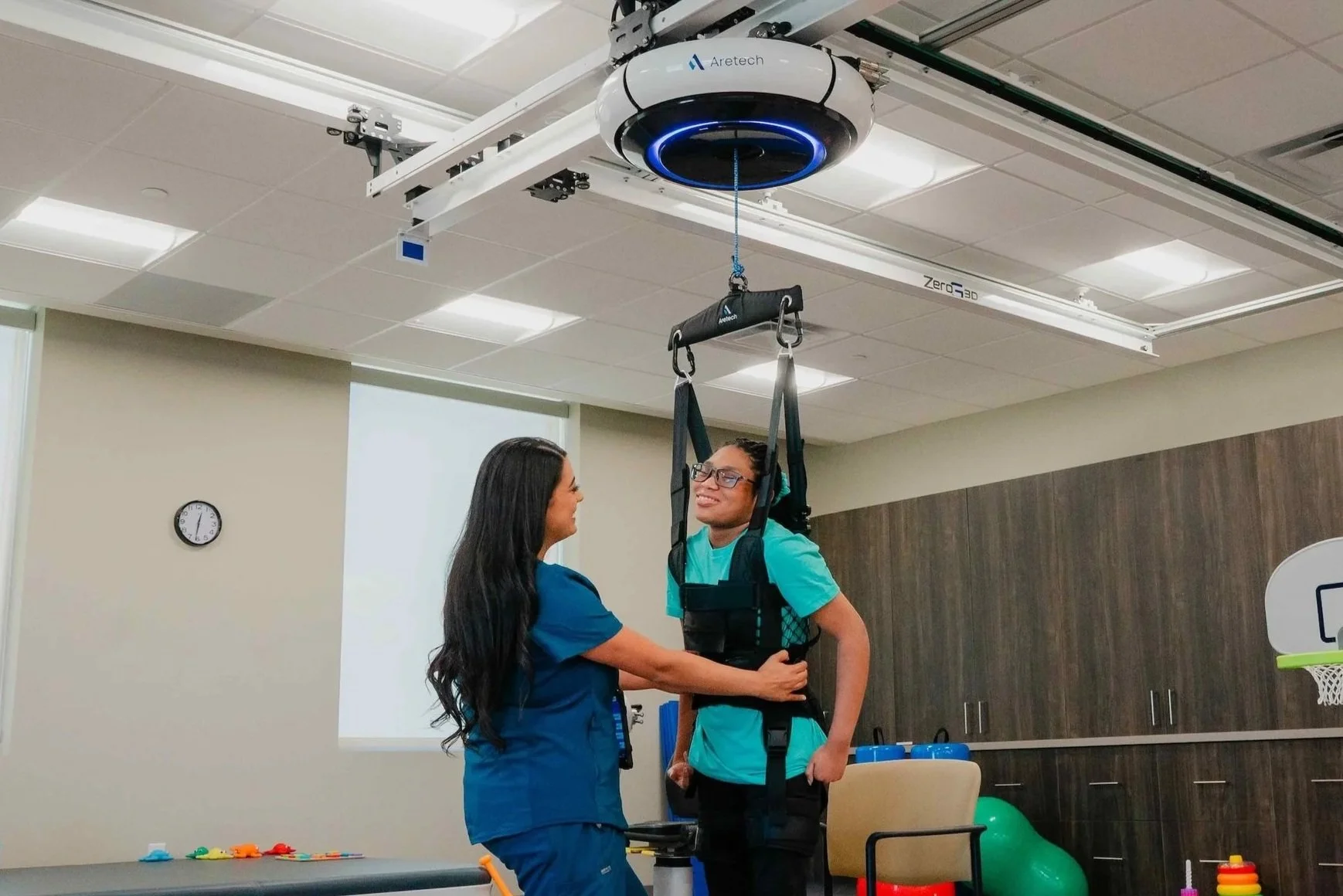
If you’ve been diagnosed with Parkinson’s Disease, you have a progressive brain disorder that damages nerve cells and reduces dopamine, a chemical messenger vital for smooth and coordinated muscle movement. As these nerve cells weaken and die over time, the condition worsens and affects both physical movement and other body functions. As a result, you are likely experiencing some of the common consequences such as:
Tremor or shaking, usually starting in the hands or fingers while at rest.
Bradykinesia, or slowness of movement.
Muscle rigidity or stiffness in the limbs and trunk.
Balance, coordination, and posture problems that can lead to falls.
Our innovative approach to neurorehabilitation uses evidence-based, task specific activities, aided by use of cutting-edge technologies and highly skilled clinicians, to deliver high intensity training that will result in improved walking, balance, and more coordinated and skillful use of the arm and hand.
After working in our clinic, you will be healthier and more independent with your ability to function in daily life and will have learned how you can maintain and continue to improve long after working with us.
HOW COLIFT CLINICS CAN HELPSpinal Cord Injury
If you’ve had a spinal cord injury, you’ve suffered damage to the bundle of nerves inside your spine that stops signals from moving between your brain and your body. The spinal cord runs from your brain down your lower back. Damage to this area changes how your body moves and feels. With a complete injury you will no longer be able to control movement and/or feel your body below the level of the lesion. With an incomplete injury, you will have the ability to control some movement and feel/or feel your body below the lesion. As a result, you are likely experiencing some of the common consequences, depending on where the lesion is and whether it is complete or incomplete, such as,
Paralysis: Loss of muscle control and movement. Injuries high up can affect all four limbs, while injuries lower down usually affect only the legs.
Numbness: Tingling or total loss of feeling in the hands and feet.
Pain: Sharp pressure or ache in the head, neck, or back.
Body control issues: Trouble with breathing, digestion, or bladder control.
Arm and/or leg weakness on one or both sides of your body
Poor balance
Slow and/or unsafe walking
Speech difficulties
Loss of some vision
Our innovative approach to neurorehabilitation uses evidence-based, task specific activities, aided by use of cutting-edge technologies and highly skilled clinicians, to deliver high intensity training that will result in improved walking, balance, and more coordinated and skillful use of the arm and hand. Individuals with incomplete injury will likely experience the best benefits from our approach.
After working in our clinic, you will be healthier and more independent with your ability to function in daily life and will have learned how you can maintain and continue to improve long after working with us.
Traumatic Brain Injury
HOW COLIFT CLINICS CAN HELP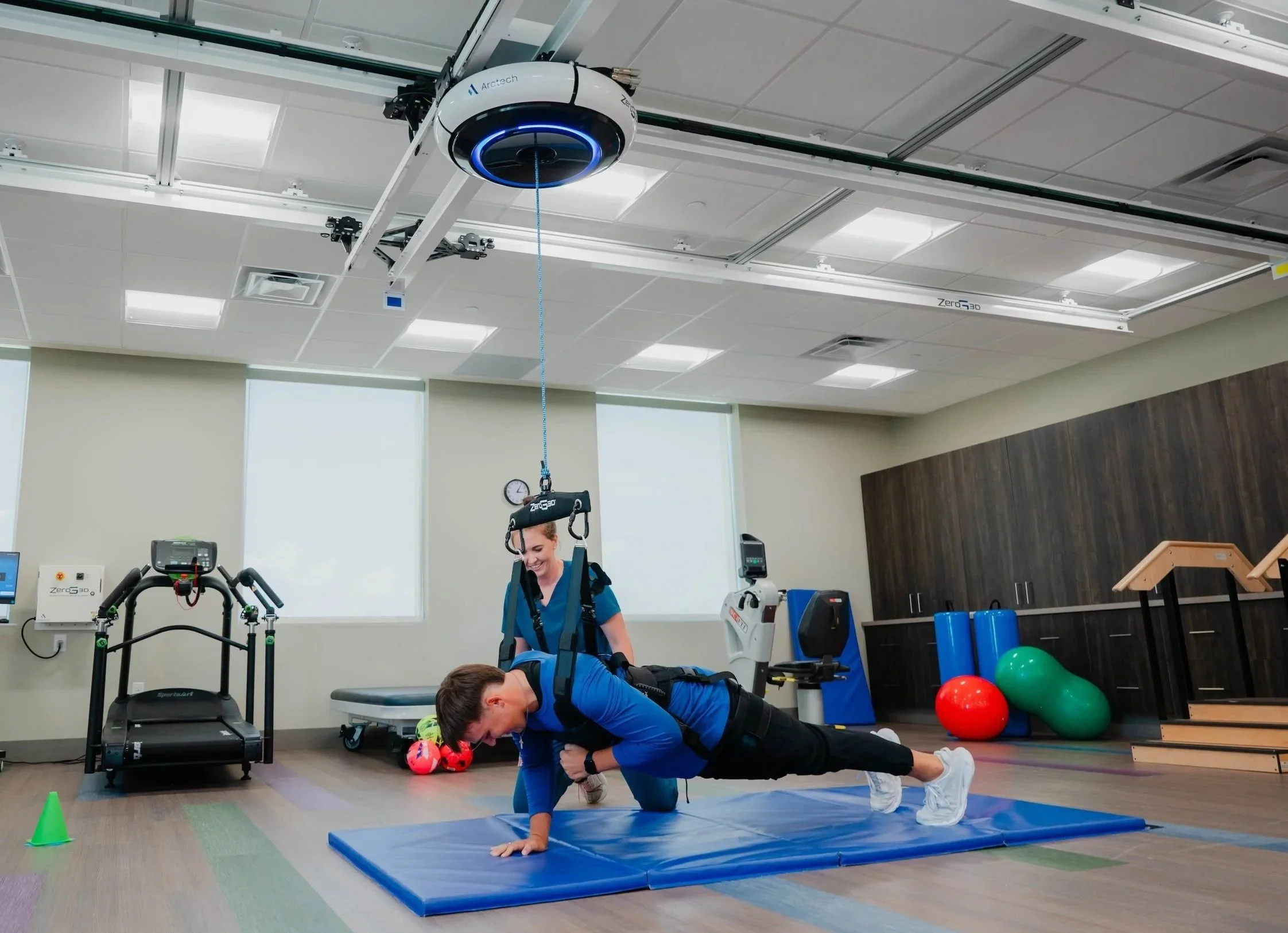
If you’ve had a traumatic brain injury, you’ve suffered damage to the brain caused by an external physical force, such as a sharp blow, bump, jolt, or an object piercing the skull. These injuries may result in mild concussions, or more moderate and severe damage. As a result, you are likely experiencing some of the common consequences such as:
Arm and/or leg weakness on one or both sides of your body
Poor balance
Slow and/or unsafe walking
Speech difficulties
Loss of some vision
Our innovative approach to neurorehabilitation uses evidence-based, task specific activities, aided by use of cutting-edge technologies and highly skilled clinicians, to deliver high intensity training that will result in improved walking, balance, and more coordinated and skillful use of the arm and hand. Individuals with at least some movement in their arms and legs will likely experience the best benefits from our approach.
After working in our clinic, you will be healthier and more independent with your ability to function in daily life and will have learned how you can maintain and continue to improve long after working with us.